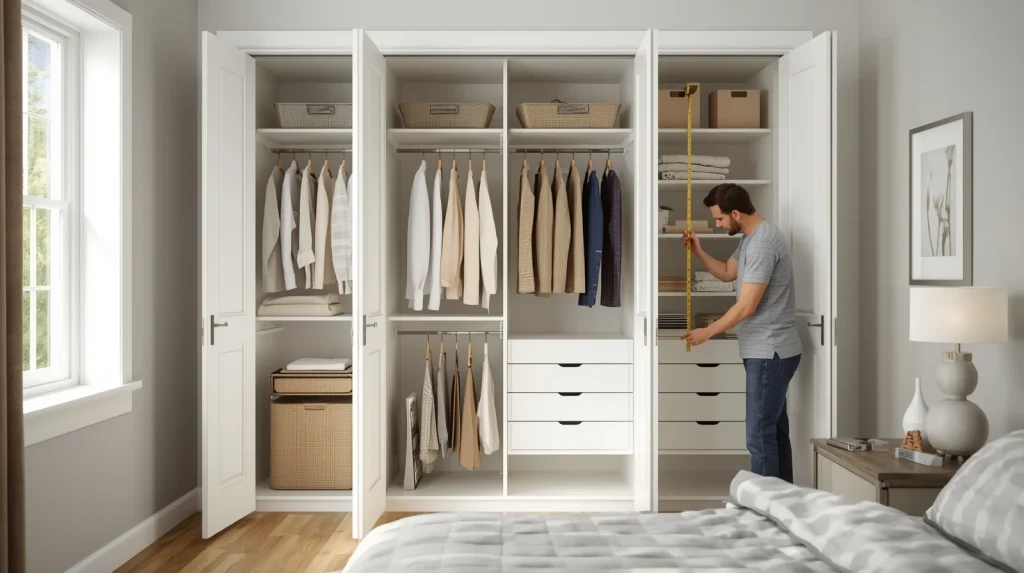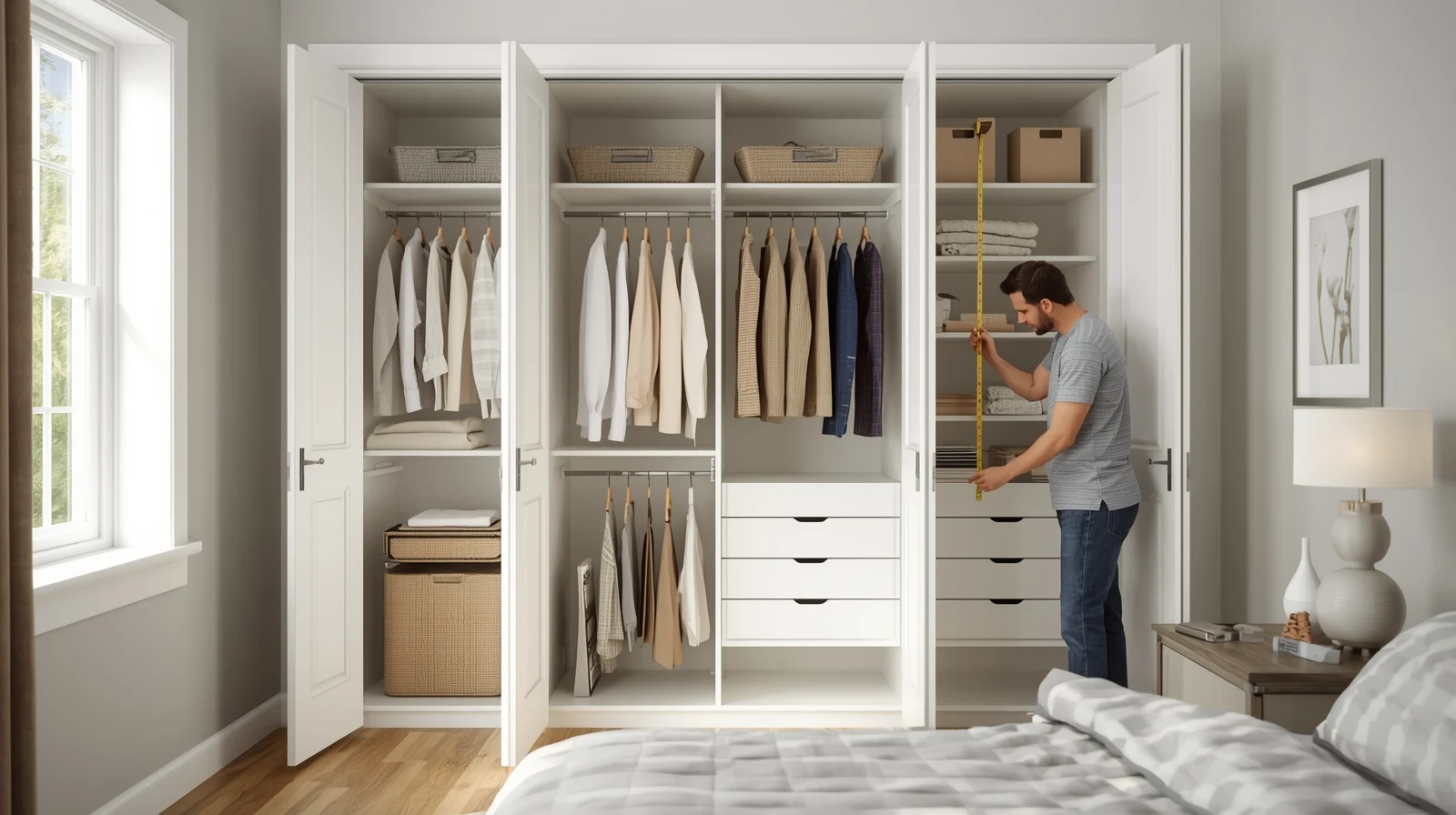
A standard closet is usually about 24 inches deep, which answers the main question of how deep should a closet be for most homes. This depth gives enough space for hanging clothes, shelves, and easy movement without items sticking out. When the depth is correct, the closet feels neat, simple to use, and comfortable for daily storage. In this guide, you will learn how closet depth affects your space, what measurements work best, and how smart planning can make your home feel cleaner and more organized.
Why Closet Size Matters in Daily Home Organization
A closet is more than a small space with a shelf and a rod. It is a part of your home that helps you stay organized every day. When the closet size matches your needs, you can find things faster, keep clothes wrinkle free, and use every inch of space without frustration. This is why understanding closet depth, closet width, and closet height helps you make better choices.
Many people guess the size they need and end up with a space that is too shallow or too tight. This affects the way clothes hang and how shelves fit. Closet dimensions also impact how easy it is to reach things inside. When you learn the right measurements, you can design a closet that feels simple, smooth, and helpful in your daily routine.
Understanding Basic Closet Measurements Before You Begin
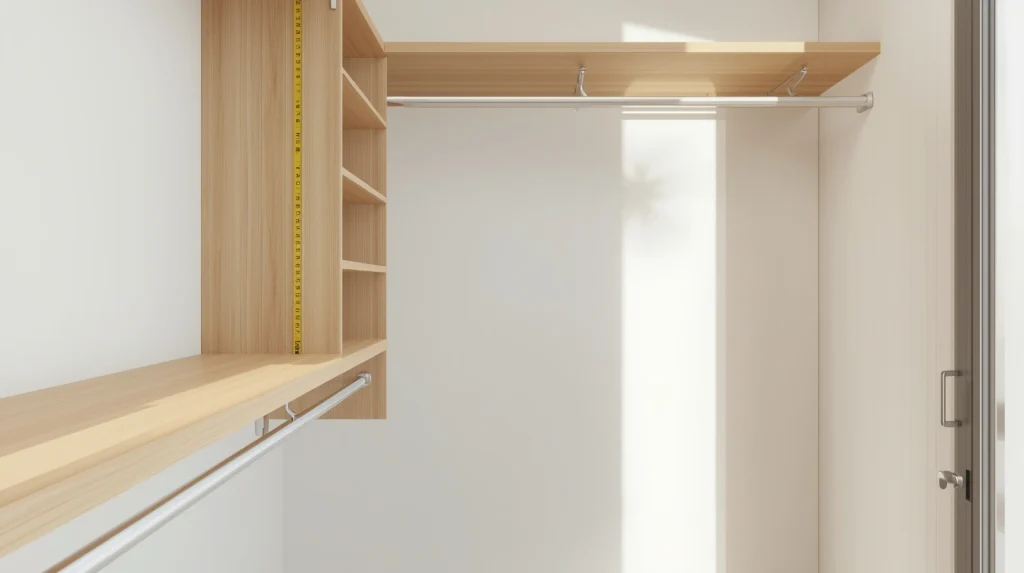
Before choosing shelves or rods, it helps to know the basic measurements used in closet planning. Closet dimensions include height, width, and depth. Even small changes in these numbers can affect how well the closet works. Closet measurements guide you in picking the right shelving dimensions, closet shelf width, and even closet shelf height.
Closet dimensions in inches give clear numbers that homeowners can follow. This makes planning easier, especially when measuring custom shelving or closet organizer sizes. When you know the standard closet size and standard closet dimensions used in most homes, you can avoid mistakes and build a space that feels natural to use.
Understanding these basics makes the rest of the process much easier, and you will feel confident when deciding how deep your closet should be.
What Most Homeowners Get Wrong About Closet Depth
Many homeowners believe that closet depth does not matter as long as the closet is wide. This is not true. Closets that are too shallow cause clothes to bend or press against the door. Shelves may also stick out, making the space hard to use. When closet storage dimensions are ignored, even a large closet can feel crowded.
Some people think deeper closets are always better, but depth that is too large leads to unused space in the back. Balance is the key. Typical coat closet depth, wardrobe depth standard, and standard coat closet depth all show that depth has a purpose. The right depth gives a comfortable fit for hangers, folded clothes, and storage baskets.
When you learn the correct depth range, you can avoid clutter and make your closet feel smooth and organized.
How Deep Should a Closet Be for Comfortable Use
Most closets work best when they are about 24 inches deep. This is the most common depth because it gives enough room for hanging clothes without touching the door. It also allows hangers to stay straight. This depth works for bedroom closets, hallway storage, and even coat closets. Your primary question, how deep should a closet be, fits perfectly into this measurement.
If you want space for thicker coats or large sweaters, you can go slightly deeper, close to 26 inches. Minimum closet depth for hanging clothes is usually 22 inches, but this is tight and not recommended. When closet depth matches your clothes and storage needs, your closet becomes easier to use and keeps clothes in good condition.
This measurement keeps the space simple and functional while giving enough room for shelves or bins.
Standard Closet Dimensions and What They Actually Mean
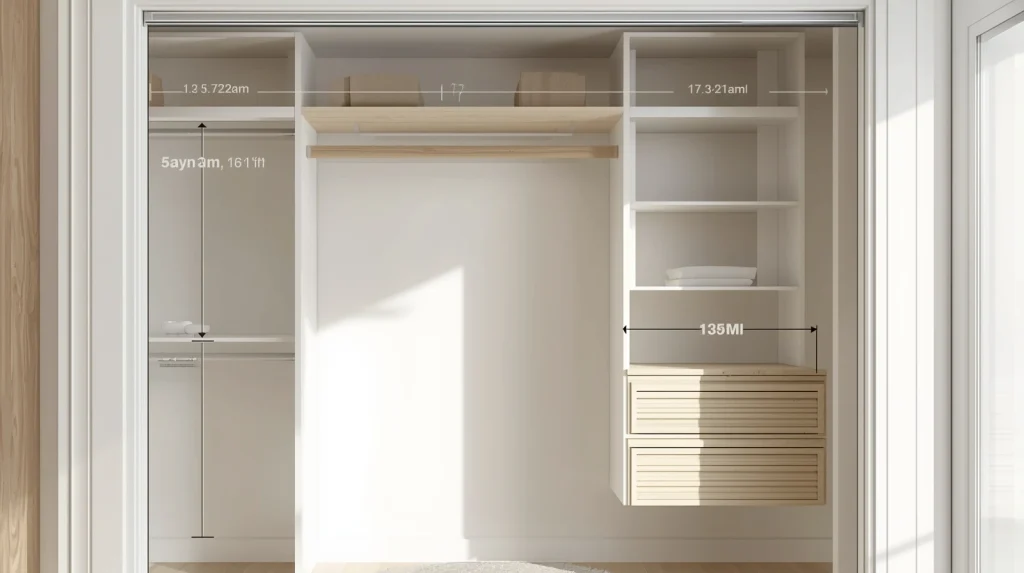
Standard closet dimensions help you understand what builders usually follow in homes. These numbers include closet width, closet depth, and closet height. Closet measurements in most houses follow common standards to make building and planning easier.
For example, standard closet size often includes a width of four to six feet, depending on the room. Standard closet dimensions are designed so that shelves, rods, and hangers fit without issues. Closet dimensions guide information shows how to plan storage without wasting space.
Closet dimensions in inches make everything clear. A typical bedroom closet may have a height of around 96 inches with room for a shelf and rod. This also allows you to add more shelves if needed. When you understand these numbers, adjusting your closet layout becomes simple and stress free.
Closet Depth for Hanging Clothes Versus Shelving
Closet depth is different for hanging clothes and shelving. Clothes need room to hang without folding or rubbing against the door. For this reason, hanging clothes depth usually needs at least 24 inches. This gives space for the hanger and the garment.
Shelves do not need as much space. Closet shelf depth can range from 10 to 16 inches depending on what you want to store. For folded clothes, 12 inches often works well. Closet shelving dimensions help you pick a width that fits your items. Closet shelf height standards also ensure you leave enough room between shelves for easy access.
Many homeowners place shelves too close together. Using proper closet shelf spacing keeps the closet looking neat and easy to use. Closet shelves dimensions that follow recommended sizes make organizing simple and comfortable.
Coat Closets and Their Typical Depth Requirements
Coat closets need a bit more room than regular bedroom closets. Coats are thicker, longer, and take up extra space. Below are the main points that help you understand the right depth for a coat closet.
1. Coat closets usually need about 28 inches of depth.
This extra space keeps coats from pressing against the door.
2. Standard coat closet depth gives room for heavy winter items.
Big jackets and long coats hang straight without bending.
3. Typical coat closet depth prevents zippers and hoods from catching on the door.
This makes opening and closing the closet easier.
4. Coat closet size should match the number of coats your family uses.
More people means more space is needed.
5. Extra depth helps the closet stay neat and easy to use.
Nothing sticks out and everything fits in a clean row.
6. Proper depth helps keep entryway clutter low.
A well sized coat closet holds shoes, bags, and scarves without feeling messy.
These simple points help you choose a coat closet that works well and stays easy to use every day.
Wardrobe Closets and How Their Depth Differs
Wardrobe closets often have different measurements because they are used to store a mix of clothes, linens, and personal items. Wardrobe depth standard is usually around 24 inches, but some designs go deeper for additional storage. Standard wardrobe dimensions give enough room for hangers, folded clothes, and organizers.
Closet organizer sizes can also influence your layout. If you use drawers, baskets, or pull out trays, you may need more depth to avoid blocking movement. Closet shelves dimensions also matter because shelves in wardrobes often hold larger items.
When planning a wardrobe, think about what you want to store. This makes it easy to choose closet shelving dimensions and closet shelf width that work well for your home.
Designing a Closet Layout That Fits Your Space
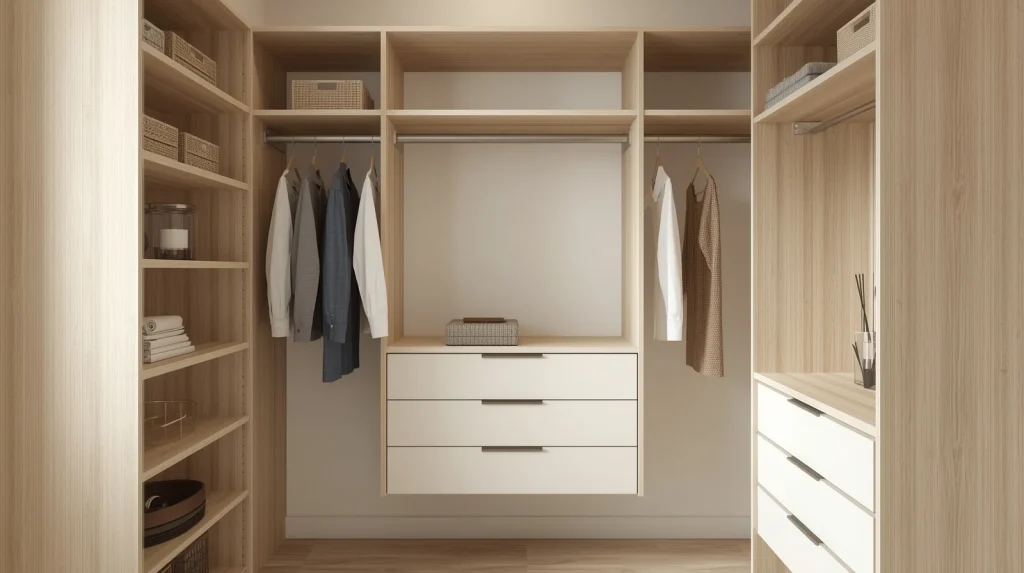
Closet layout dimensions help you decide where to place rods, shelves, and storage boxes. A good layout should match the size of your room. If your bedroom is small, you may need a layout that focuses on vertical space. Minimum bedroom closet size also affects how many items you can store.
Closet storage dimensions guide you in choosing the right mix of shelves, rods, and open space. Closet height also matters because taller closets give room for double hanging rods. When you plan your layout carefully, your closet becomes easier to use and more comfortable.
This is where a professional can help you avoid mistakes and design a closet that fits your daily routine.
Practical Tips to Improve Closet Function and Comfort
Small improvements can make a big difference in how your closet feels. For example, closet shelf height and closet shelf spacing should match the items you store. If shelves are too close, clothes will not fit well. If they are too far apart, space may be wasted.
Closet height standards also help guide the placement of rods and shelves. A rod placed at a good height prevents clothes from dragging on the floor. Closet shelves dimensions should match your baskets and bins to avoid clutter. Closet shelf width should be chosen to fit your folded items or shoes.
These simple tips help you keep your closet neat, clean, and easy to access every day.
Expert Help from Handyman Oakville Ontario for a Closet That Fits Your Life
Designing the perfect closet is easier when you have a skilled team guiding you. Handyman Oakville Ontario helps homeowners choose the right closet depth, shelving sizes, and layout plans that match their space. With experience in storage planning, repairs, and custom building, you get a closet that is strong, neat, and built to last.
The right measurements help you save time and reduce stress. A well designed closet turns your room into a peaceful space where everything has a place.
If you want a closet that fits your home and daily life with no guesswork, reach out today. Our team is ready to help you plan, install, and build the perfect layout. Your dream closet is only one simple call away.