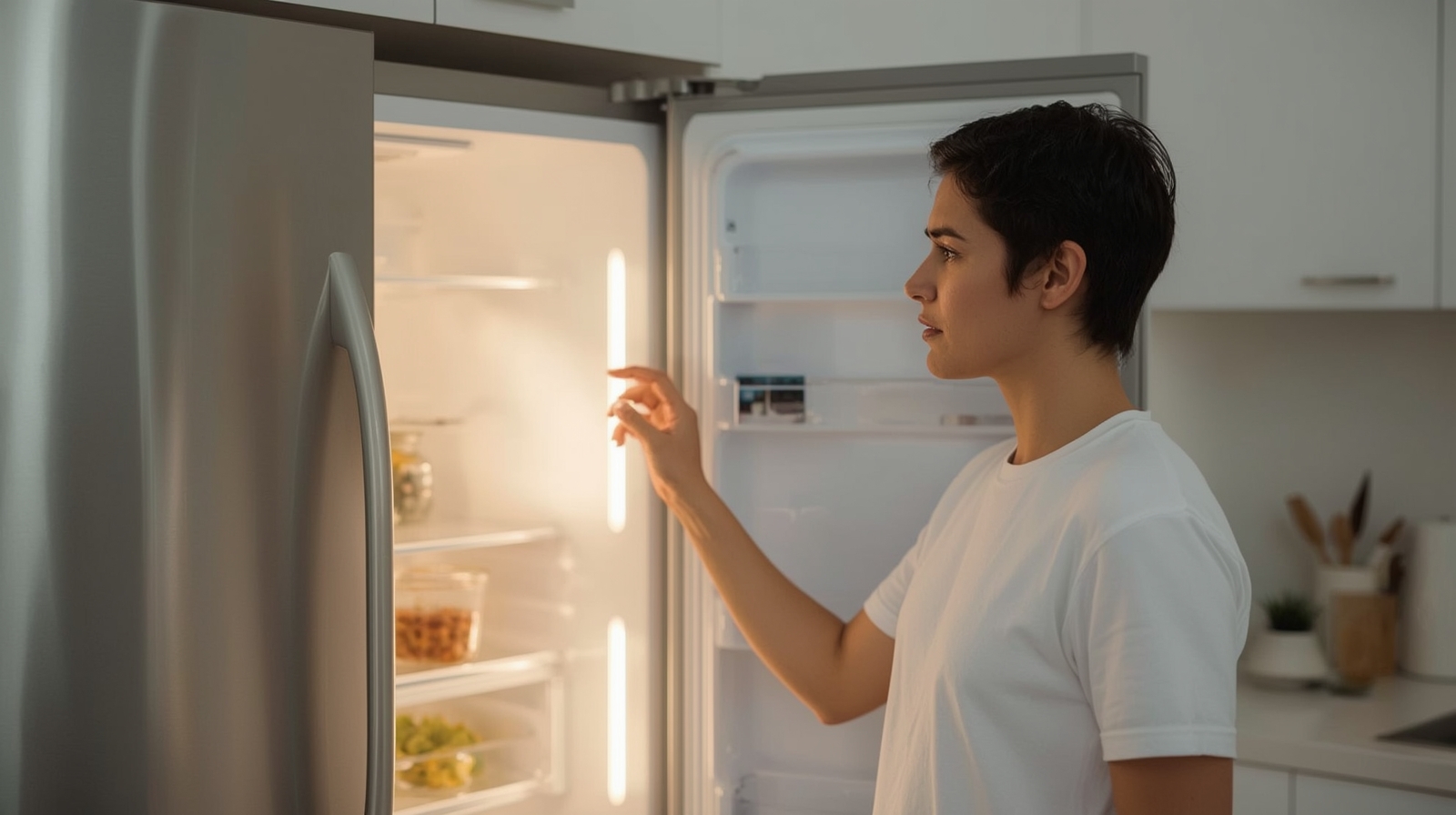
A fridge not getting cold usually happens because of poor airflow, dirty coils, or a problem inside the cooling system. Most issues come from simple things you can check at home, but some problems need a trained technician. This guide explains why a fridge not getting cold happens, how to fix common issues, and when to call Handyman Oakville Ontario.
When Your Fridge Stops Cooling, Here’s What You Need to Know
A warm refrigerator is something no one wants to deal with. It affects your food, your safety, and your budget. When the temperature rises inside the fridge, food spoils faster, and you risk getting sick from items that were supposed to stay cold. This is why it is important to take the problem seriously the moment you notice changes.
Many homeowners feel confused when their fridge not getting cold becomes a sudden problem. The light still works, the shelves look fine, and the outside shows no damage. But inside, the temperature climbs. This can feel stressful, especially when you have groceries that cannot stay out for long. Understanding the basics helps you feel more in control and reduces worry.
A refrigerator is a system that moves cold air from one place to another, keeps warm air out, and maintains a steady temperature. When one part of this process fails, the entire fridge struggles. That is why even a small blockage or weak part can cause the inside to warm up. Before panic sets in, it helps to learn how the fridge works and what you can look for right away.
Common Signs Your Fridge Is Not Getting Cold Enough
Your fridge gives early warnings before it fully stops cooling. Look for these signs:
1. Food Feels Less Cold Than Normal
-
Drinks are not icy
-
Leftovers warm up faster
-
Dairy products spoil early
-
Vegetables turn soft or wilt
2. The Motor Runs Longer or Sounds Louder
-
The fridge works harder to stay cool
-
You hear the motor running more often
-
Cooling does not improve even when the motor runs
3. Strange Smells Start to Develop
-
Food spoils quickly due to rising temperature
-
Odors become stronger and spread through the fridge
4. Frost Melts and Refreezes in the Freezer
-
Ice may soften, melt, and freeze again
-
Frost buildup can mean air is not flowing well
5. Water Appears on Shelves or Inside Drawers
-
Warm air causes condensation
-
Water droplets show the fridge is not staying cold
6. Uneven Temperature Across Shelves
-
Some areas feel cool
-
Other areas feel warm
7. Food Quality Changes Suddenly
-
Items that normally last days spoil within hours
-
Ice cream softens or loses shape
These early signs help you act before the cooling system gets worse. They also guide you toward the cause of the problem.
Why Is My Fridge Not Getting Cold
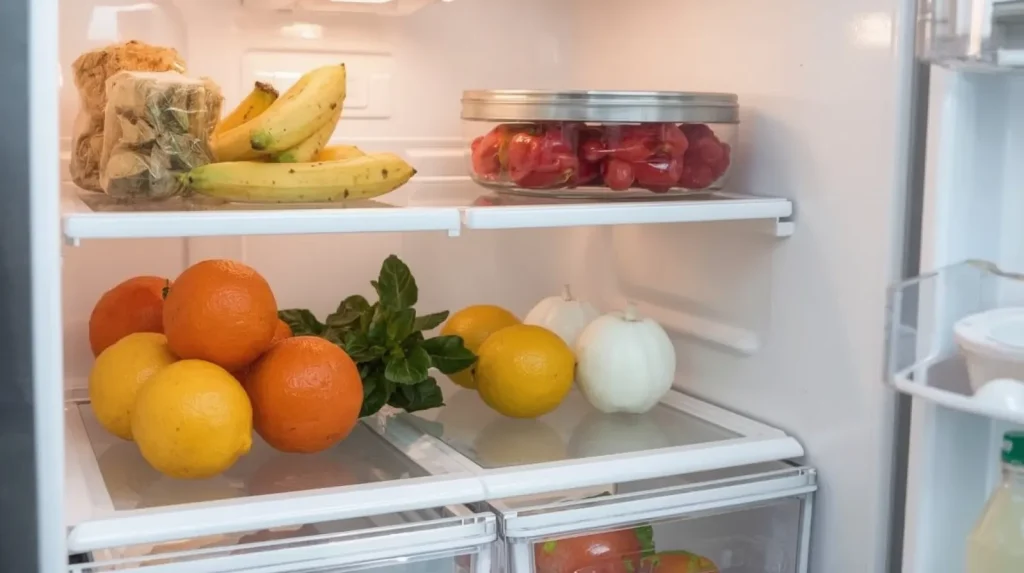
People often ask one simple question. Why is my fridge not getting cold when it worked fine before. The answer depends on the cause, and there are many possibilities. Some are easy to fix. Others need expert repair.
One of the most common reasons is blocked airflow. Your fridge needs space for cold air to move. When vents are covered by food items, air cannot move around the fridge. This creates warm spots and makes cooling uneven. Another common cause is dirty condenser coils. When dust covers the coils, the fridge struggles to release heat. This makes the fridge warm inside even though the motor works hard.
Door seals play a big role too. If the seal is loose or dirty, warm air enters without you noticing. The fridge must work harder to remove the warm air. Over time it cannot keep up and begins to lose temperature.
Mechanical parts can also fail. The fan may stop working. The defrost system may freeze over. The thermostat may misread the temperature. Refrigerant levels may drop due to small leaks. These issues require a skilled technician to check safely.
When you know the possible causes, you can take smart steps toward fixing the problem.
Simple Checks You Can Do Before Calling a Technician
Before calling for service, there are easy checks you can try. Many people solve the problem on their own by doing these steps. They are safe, quick, and require no tools.
Start by checking the power. Make sure the plug is secure. Sometimes plugs loosen from vibration. Check if the outlet works by plugging in a different device. If the outlet has no power, the fridge cannot cool.
Next, check the temperature settings. Someone may have accidentally bumped the controls. Setting the fridge too warm makes it work below normal cooling. Returning the dial to the correct temperature may fix the issue.
Look inside the fridge and check the vents. Move any items that cover the air passages. Air must flow freely to reach all shelves. If the fridge is too full, remove a few items. If it is too empty, add water bottles to keep cold air stable.
Open the door and check the seal. Place a paper between the seal and the frame. Close the door. If the paper slides out easily, the seal is not tight. Cleaning the seal may fix the issue. If not, the seal may need repair.
Finally, check the coils at the back or bottom of the fridge. Dust builds over time and blocks heat release. Cleaning coils can bring cooling back within minutes.
Airflow Problems That Make a Fridge Stop Cooling
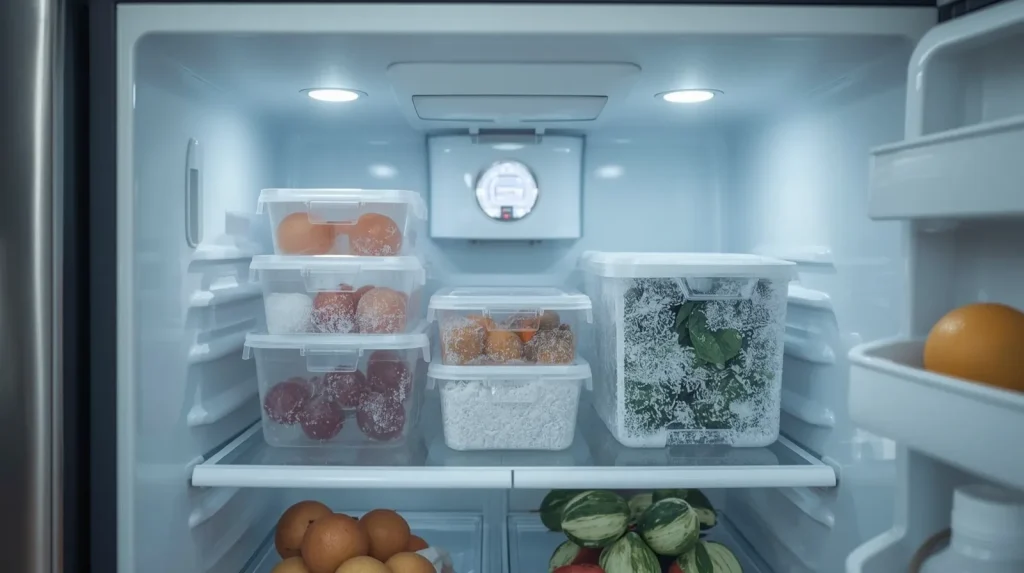
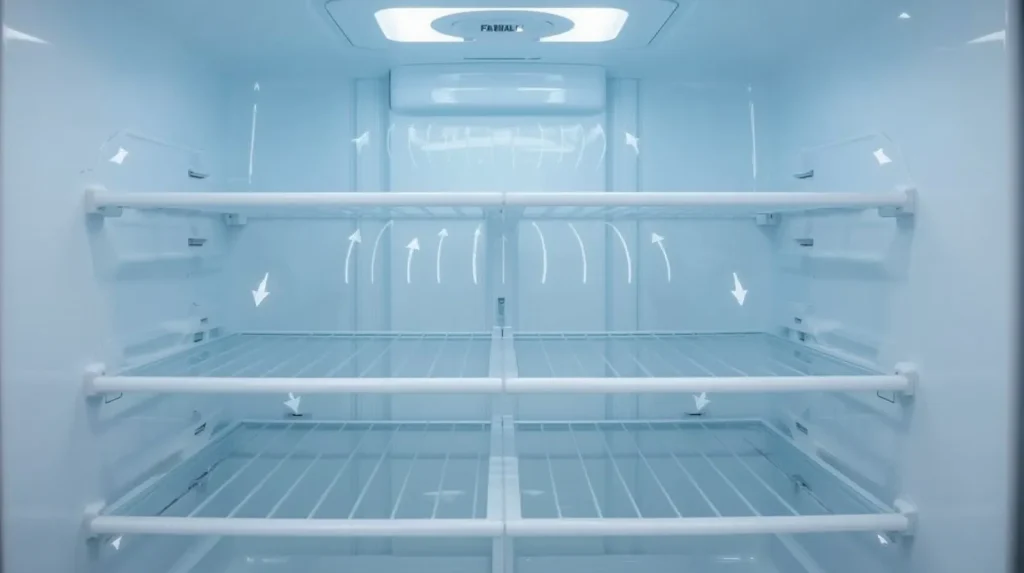
Airflow is one of the most important parts of fridge cooling. When air cannot move, the fridge warms up fast. Cold air goes from the freezer into the fridge through small vents. Any blockage makes the fridge uneven in temperature.
Stacking food against the back wall often blocks vents without you noticing. Frost buildup in the freezer also blocks the flow. If frost grows too thick, cold air cannot pass through the coils. This is why regular defrosting is important.
When airflow slows down, some shelves become warm while others stay cold. Drinks may stay cool on the top shelf but warm on the bottom. Fixing airflow problems often brings the fridge back to normal without expensive repairs.
Hidden Issues Inside the Compressor or Cooling System
Some problems hide inside the main cooling system. Look for these signs and issues:
1. Weak or Failing Compressor
-
The compressor moves refrigerant through the coils
-
When it weakens, the fridge cannot cool
-
Clicking noises, long running times, or total silence are warning signs
2. Evaporator Fan Problems
-
The evaporator fan pushes cold air into the fridge
-
If the fan stops spinning, the freezer may stay cold while the fridge warms
-
Strange sounds or weak airflow when you open the door show a fan issue
3. Blocked or Frozen Drain Line
-
A clogged drain line causes water to freeze around the coils
-
Heavy frost blocks air movement
-
The fridge warms even if the freezer seems fine
-
Fixing it needs cleaning the drain and removing the ice buildup
4. Cooling System Failures That Need an Expert
-
Internal parts are sensitive
-
Wrong repairs can cause more damage
-
These hidden issues require a trained technician for safe and proper repair
Why Some Refrigerators Run but Still Don’t Get Cold
This is one of the most confusing problems for homeowners. The fridge runs, makes sound, and lights work, but the inside still feels warm. The reason is usually weak airflow or blocked coils.
Sometimes the thermostat misreads the temperature and tells the compressor to stop too early. Other times the air ducts freeze inside. Even a small frost layer can stop air movement.
If the motor runs for long periods without cooling, this means the fridge is struggling. This is a strong sign that an internal part is failing. Getting help early prevents full breakdown.
When the Freezer Works but the Fridge Stays Warm
Many people think a working freezer means the entire fridge is fine. But that is not always true. The freezer may stay cold while the fridge warms up. This happens because the freezer gets cold air first. The fridge gets air second.
If the air duct between them freezes, the fridge gets no cold air at all. This is why you may have ice in the freezer but warm drinks in the fridge. Frost buildup, damper door failure, or fan issues are the most common reasons.
When this happens, you often need expert repair because the problem is inside the cooling system.
How to Prevent Your Fridge From Losing Temperature Again
Keeping your fridge healthy is simple when you follow a few basic habits. Clean the coils every few months to help the fridge release heat. Keep the door shut as much as possible. Warm air enters each time the door opens.
Keep food organized so air can move. Leave space between items. Do not cover vents. Check the door seal and wipe it often. A clean seal closes tight and keeps warm air out.
If you see frost building up often, report the issue. Frost is a sign of deeper cooling trouble. Preventing issues early keeps the fridge working longer and saves money on repairs.
When You Should Call a Professional Instead of DIY Fixes
Some fridge problems look simple but can be risky. When you smell burning, hear loud noises, or see water leaking, it is time to stop and call a trained expert. Electrical problems and sealed cooling systems need special tools to fix safely.
If the compressor is hot, if the fan does not spin, or if the fridge warms even after cleaning coils and vents, you need a technician. Trying to fix these parts alone may cause damage or make the repair more expensive.
Calling a trained team like Handyman Oakville Ontario is the safest choice when basic steps do not solve the issue. A professional can diagnose the cause and repair the fridge properly.
Trusted Help From Handyman Oakville Ontario for a Fridge Not Getting Cold
A fridge that loses cooling affects your home, your food, and your daily routine. Waiting too long can spoil groceries and damage important parts inside the fridge. When the issue is beyond simple fixes, trained help protects your fridge from further damage.
Handyman Oakville Ontario has experience with cooling systems and knows how to diagnose warm fridges, weak airflow, blocked vents, and deeper cooling failures. With the right care and safe repair steps, your fridge can return to normal cooling and last longer.
If your fridge still feels warm or you want a fast inspection, reach out now. Quick help can prevent food waste and larger repair costs. Our team is ready to bring your fridge back to full cooling again.